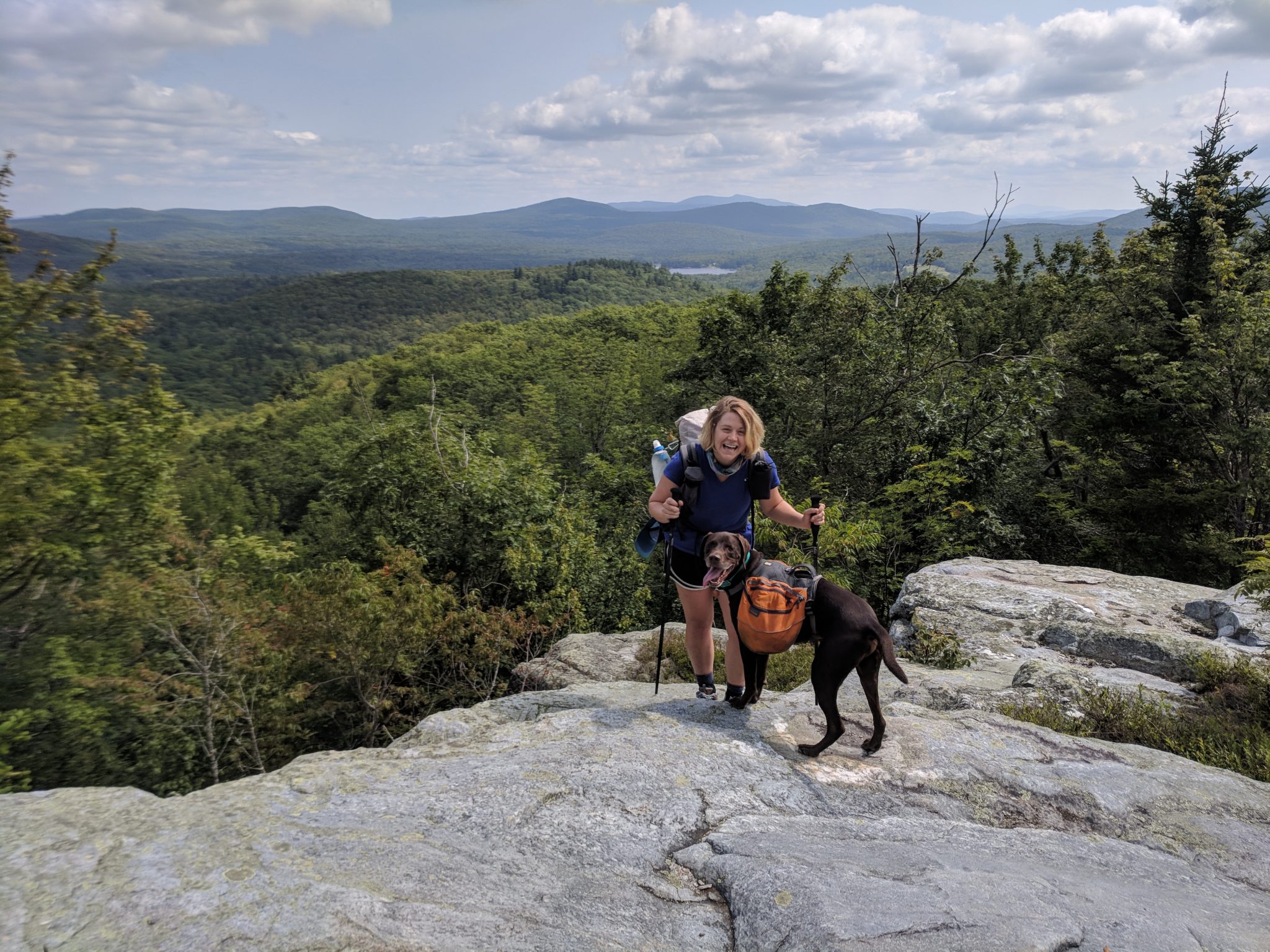
Everything I learned hiking 900 miles on the Appalachian Trail with my dog Toby — costs, planning, gear, and honest advice for anyone considering it.
In 2018, I hiked 900 miles of the Appalachian Trail with my dog Toby — a 75-pound chocolate lab and German shorthaired pointer mix. This is everything I learned, spent, and wish I’d known before we started.
The Decision
The internet is full of opinions about whether you should thru-hike with a dog. Some people are strongly against it. Others romanticize it. The truth is simpler: at the end of the day, you and your vet know your dog and what your dog is capable of.
Do your research. Talk to your vet. Make an honest assessment of your dog’s fitness, temperament, and training. Then decide.
Planning and Preparation
I started preparing four months before our July departure from New Jersey. That time went into:
- Transitioning Toby to dehydrated food (The Honest Kitchen)
- Testing our hammock camping setup extensively
- Building Toby’s trail fitness with progressively longer hikes
- Researching trail regulations, particularly leash laws
Originally, I planned to send Toby home after 600 miles when we hit New Hampshire. The terrain gets significantly harder in the White Mountains. But Toby performed so well that we continued into Maine instead.
Follow local regulations. Leash your dog where leash laws apply. This isn’t optional — it’s how we preserve trail access for future dogs and their owners.
Cost Breakdown
Over three months, Toby’s expenses totaled approximately $880:
| Item | Cost |
|---|---|
| Gear (collar, leash, pack, hammock, jacket, booties, bowl, misc) | $540 |
| Food (68 lbs Honest Kitchen dehydrated) | $340 |
| Total | $880 |
I spent about 25% more on accommodations than a solo hiker would — some hostels charge extra for dogs, and I occasionally grabbed a hotel room for Toby to rest.
Realistic monthly budget: $1,300 for hiker + dog, compared to about $1,000 solo. That covers gear and food only, not resupply shipping or town stops.
Timeline Reality
Hiking with a dog takes longer than solo hiking. Period.
I took a week-long break in New Hampshire when Toby’s paw pads needed recovery from the sharp granite in the White Mountains. That wasn’t in the original plan, but your dog’s health dictates the schedule — not your itinerary.
Our average daily mileage was 13–15 miles. On solo trips I’d push 20+. You adjust.
What Makes a Good Trail Dog
Not every dog is built for thru-hiking. After 900 miles, here’s what matters:
- Doesn’t bark excessively — or reliably responds to voice commands to stop
- Limited aggression — you’ll encounter dozens of dogs and hundreds of people
- Handles change and stress well — new environments every single day
- Excellent physical condition — not just fit, but trail-fit with hardened paw pads
- Prior hiking experience — don’t make a thru-hike your dog’s first outing
- Quick recall — essential for the few areas where off-leash is permitted
Challenges We Didn’t Expect
Baxter State Park. Dogs are not allowed. After hiking 900 miles together, Toby couldn’t join me at the northern terminus on Katahdin. We made a commemorative photo elsewhere, but plan for this if you’re going northbound.
Trail community dynamics. Not every hiker loves dogs. Some are afraid of them. Be respectful, keep your dog controlled, and don’t assume everyone wants to interact with your pup.
Resupply logistics. Every town stop takes longer when you have a dog. Some restaurants, grocery stores, and outfitters aren’t dog-friendly. You learn to plan around this.
Resources
- Thru-Hiker Dogs Facebook Group — the best community for planning and support
- AT Conservancy dog page — official regulations and best practices
- Guthooks/FarOut app — essential for water sources and campsite info
Was It Worth It?
Absolutely. But only because we prepared properly. Toby was fit, well-trained, and had months of hiking experience before we started. If we’d winged it, the story would be very different.
The best advice I can give: your dog’s needs take priority over your hiking timeline. If you can accept that, you’ll both have an incredible experience.
Frequently Asked Questions
- How much does it cost to thru-hike with a dog?
- Toby's gear and food cost about $880 over three months, roughly $300/month. Budget about $1,300/month total (hiker + dog) compared to $1,000 for a solo hiker.
- What kind of dog is best for thru-hiking?
- A dog that doesn't bark excessively, shows limited aggression, handles stress well, has good recall, and is already in excellent physical condition. Prior hiking experience matters more than breed.
- Can dogs go to Baxter State Park?
- No. Dogs are not allowed in Baxter State Park, which includes the northern terminus of the AT at Katahdin. Plan accordingly if you're heading northbound.
Trail-Tested with Toby
Everything on FidoHikes comes from real experience — 900 miles on the Appalachian Trail with our dog Toby. No sponsored posts, no armchair advice. Just what actually worked (and what didn't) on the trail.
Read our story →Related Articles
Dog Gear List for Long Distance or Thru Hiking with a Dog
The complete gear list we used for 900 miles on the Appalachian Trail with our dog Toby — every item, what it cost, and whether it held up.

The Honest Kitchen Dehydrated Dog Food Review: Trail-Tested on the AT
We fed our dog Honest Kitchen dehydrated food for 900 miles on the Appalachian Trail. Here's what worked, what didn't, and whether it's worth the price.
The Best Backpacking Dog Collar Is Waterproof
Why we switched to a waterproof, laser-engraved dog collar for our 900-mile Appalachian Trail thru-hike — and why we'll never go back to cloth.